


Page 35 - SPEMD_59-1
P. 35
rev port estomatol med dent cir maxilofac . 2018;59(1):24-29             27


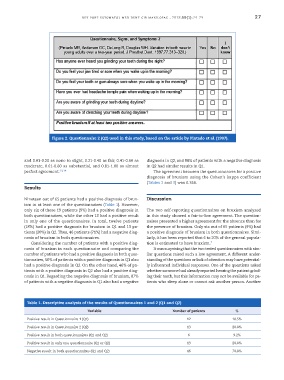
                       Figure 2. Questionnaire 2 (Q2) used in this study, based on the article by Pintado et al. (1997). 2


           and 0.01-0.20 as none to slight, 0.21-0.40 as fair, 0.41-0.60 as   diagnosis in Q2, and 88% of patients with a negative diagnosis
           moderate, 0.61-0.80 as substantial, and 0.81-1.00 as almost   in Q2 had similar results in Q1.
           perfect agreement. 13,14                              The agreement between the questionnaires for a positive
                                                               diagnosis of bruxism using the Cohen’s kappa coefficient
                                                               (Tables 2 and 3) was 0.356.
           Results

           Nineteen out of 65 patients had a positive diagnosis of brux-  Discussion
           ism in at least one of the questionnaires (Table 1). However,
           only six of these 19 patients (9%) had a positive diagnosis in   The two self-reporting questionnaires on bruxism analyzed
           both questionnaires, while the other 13 had a positive result   in this study showed a fair-to-low agreement. The question-
           in only one of the questionnaires. In total, twelve patients   naires presented a higher agreement for the absence than for
           (18%) had a positive diagnosis for bruxism in Q1 and 13 pa-  the presence of bruxism. Only six out of 65 patients (9%) had
           tients (20%) in Q2. Thus, 46 patients (71%) had a negative diag-  a positive diagnosis of bruxism in both questionnaires. Simi-
           nosis of bruxism in both questionnaires.            larly, it has been reported that 6 to 20% of the general popula-
              Considering the number of patients with a positive diag-  tion is estimated to have bruxism. 7
           nosis of bruxism in each questionnaire and comparing the   It was surprising that the two tested questionnaires with sim-
           number of patients who had a positive diagnosis in both ques-  ilar questions raised such a low agreement. A different under-
           tionnaires, 50% of patients with a positive diagnosis in Q1 also   standing of the questions or lack of attention may have potential-
           had a positive diagnosis in Q2. On the other hand, 46% of pa-  ly influenced individual responses. One of the questions asked
           tients with a positive diagnosis in Q2 also had a positive diag-  whether someone had already reported hearing the patient grind-
           nosis in Q1. Regarding the negative diagnosis of bruxism, 87%   ing their teeth, but this information may not be available for pa-
           of patients with a negative diagnosis in Q1 also had a negative   tients who sleep alone or cannot ask another person. Another


            Table 1. Descriptive analysis of the results of Questionnaires 1 and 2 (Q1 and Q2)

                                      Variable                           Number of patients         %
            Positive result in Questionnaire 1 (Q1)                            12                 18.5%
            Positive result in Questionnaire 2 (Q2)                            13                 20.0%
            Positive result in both questionnaires (Q1 and Q2)                  6                  9.2%
            Positive result in only one questionnaire (Q1 or Q2)               13                 20.0%
            Negative result in both questionnaires (Q1 and Q2)                 46                 70.8%

