


Page 51 - SPEMD_59-4
P. 51
rev port estomatol med dent cir maxilofac . 2018;59(4):221-224         223


                                                                                                              5
                                                               mutations in the B3GALTL gene, located at chromosome 13.
                                                               Therefore, the patient was under genetic follow-up to investi-
                                                               gate the sequential analysis of the gene and the molecular
                                                               diagnosis of a possible mutation; when the latter is not iden-
                                                               tified, deletion or duplication should be investigated. 3,6
                                                                 On the other hand, studies have reported cases of Pe-
                                                               ters-plus syndrome with characteristic clinical manifestations
                                                               and lack of mutation of the B3GALTL gene. 4,13  However, in
                                                               these cases, not all the typical characteristics of the syndrome
                                                               are observed. The importance of the molecular diagnosis of
                                                               possible mutations is related to genetic counseling for future
                                                               pregnancies.  Uncovering its causes, which are still unclear,
                                                                        3
                                                               represents a potential chance for enhanced treatment and
                                                               prevention through genetic counseling or possible preventive
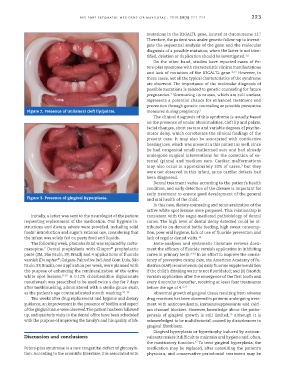
            Figure 2. Presence of unilateral cleft lip/palate.  measures during pregnancy. 5
                                                                 The clinical diagnosis of this syndrome is usually based
                                                               on the presence of ocular abnormalities, cleft lip and palate,
                                                               facial changes, short stature and variable degrees of psycho-
                                                               motor delay, which corroborate the clinical findings of the
                                                               present case. It  may also  be associated  with conductive
                                                               hearing loss, which was present in this patient as well, since
                                                               he had congenital small malformed ears and had already
                                                               undergone surgical interventions for the correction of ex-
                                                               ternal (pinna) and medium ears. Cardiac malformations
                                                                                                      3
                                                               may also occur in approximately 33% of cases,  but they
                                                               were not observed in this infant, as no cardiac defects had
                                                               been diagnosed.
                                                                 Dental treatment varies according to the patient’s health
                                                               condition, and early detection of the disease is important for
                                                               early treatment to ensure good development of the general
            Figure 3. Presence of gingival hyperplasia.        and oral health of the child.
                                                                 In this case, dietary counseling and remineralization of the
                                                               active white spot lesions were proposed. This relationship is
              Initially, a letter was sent to the neurologist of the patient   consistent with the sugar-mediated pathobiology of dental
           requesting replacement of the medication. Oral hygiene in-  caries. The high level of dental decay detected could be at-
           structions and dietary advice were provided, including solid   tributed to on-demand bottle feeding, high sweet consump-
           foods’ introduction and sugar’s rational use, considering that   tion, poor oral hygiene, lack of use of fluoride prevention and
           the infant was solely fed on pasty food and liquids.  lack of regular dental visits. 14
              The following week, phenobarbital was replaced by carba-  Meta-analyses and systematic literature reviews docu-
                                               ®
                    7
           mazepine.  Dental prophylaxis with Clinpro  prophylactic   ment the efficacy of fluoride varnish application in inhibiting
           paste (3M, São Paulo, SP, Brazil) and 4 applications of fluoride   caries in primary teeth. 8-10  In an effort to improve the consis-
                         ®
           varnish (Duraphat , Colgate-Palmolive Ind. And Com. Ltda, São   tency of preventive dental care, the American Academy of Pe-
           Paulo, SP, Brazil), one application per week, were planned with   diatrics (AAP) recommends: (a) daily fluoride supplementation
           the purpose of enhancing the remineralization of the active   if the child’s drinking water is not fluoridated; and (b) fluoride
           white spot lesions. 8-10   A 0.12% chlorhexidine digluconate   varnish application after the emergence of the first tooth and
           mouthwash was prescribed to be used twice a day for 7 days   every 6 months thereafter, receiving at least four treatments
           after toothbrushing, administered with a sterile gauze swab,   before the age of 4. 8,15
           as the patient’s age contraindicated mouth washing. 11-12  Abnormal growth of gingival tissue resulting from adverse
              Two weeks after drug replacement and hygiene and dietary   drug reactions has been observed in patients undergoing treat-
           guidance, an improvement in the presence of biofilm and aspect   ment with anticonvulsants, immunosuppressants and calci-
           of the gingival tissue were observed. The patient has been followed   um channel blockers. However, knowledge about the patho-
           up, and quarterly visits to the dental office have been scheduled   genesis of gingival growth is still limited,  although it is
                                                                                                 16
           with the purpose of improving the family’s and his quality of life.  acknowledged to be multifactorial, caused by disturbances in
                                                               gingival fibroblasts.
                                                                 Gingival hyperplasia or hypertrophy induced by anticon-
           Discussion and conclusions                          vulsants makes it difficult to maintain oral hygiene and, often,
                                                                                   17
                                                               the masticatory function. To treat gingival hyperplasia, the
           Peters-plus syndrome is a rare congenital defect of glycosyla-  medication may be replaced, after consulting the patient’s
           tion. According to the scientific literature, it is associated with   physician, and conservative periodontal treatment may be

